Totteridge Lane upholstery cleaning near Totteridge Green: a practical local guide for cleaner, fresher furniture
If your sofa looks a bit tired, your dining chairs have picked up day-to-day grime, or that armchair near the window has started to hold onto odours, Totteridge Lane upholstery cleaning near Totteridge Green can make a real difference. It is one of those jobs people put off until the marks are impossible to ignore. Then, suddenly, it matters quite a lot.
Good upholstery cleaning is not just about making fabric look nicer for a week or two. Done properly, it can help remove embedded dirt, refresh fibres, reduce lingering smells, and protect the life of furniture you actually want to keep. In a home near Totteridge Green, where muddy shoes, pets, family life, and changing London weather all do their bit, the value is easy to understand. This guide explains how the process works, what to expect, how to choose the right approach, and the common mistakes worth avoiding.
One quick note before we get into it: every fabric behaves differently. Velvet, wool, polyester blends, cotton, linen, leather-look materials, and delicate antique pieces all need slightly different handling. That is where experience matters. A careful clean is a world away from just blasting a sofa with water and hoping for the best. Let's face it, nobody wants that sort of gamble.
Why Totteridge Lane upholstery cleaning near Totteridge Green matters
Upholstery takes more wear than most people realise. You sit on it every day, children climb over it, pets shed on it, and fabric quietly traps dust, skin cells, pollen, food crumbs, drink spills, and general household debris. Over time, that build-up changes how a room feels. A sofa can look dull even when it is structurally sound. A chair can smell stale without being visibly dirty. It happens gradually, so you do not always notice until one day you do.
That slow accumulation is why local upholstery cleaning is so useful. Near Totteridge Green, many homes combine busy family living with older, well-loved furniture. A careful clean can bring back colour depth, lift matted fibres, and make spaces feel better to use. It is not magic, just proper fabric care. But the effect can be surprisingly satisfying.
There is also a practical side. Clean upholstery tends to feel more comfortable, and in some cases it can help you delay replacement by years. That matters if you have invested in quality furniture or inherited pieces with good bones. Replacing a suite is expensive; maintaining it is usually the wiser move.
Expert summary: upholstery cleaning is most effective when it is matched to the fabric, the stain type, and the condition of the furniture. A one-method-fits-all approach is usually where things go wrong.
If you are also thinking about other fabric surfaces around the home, it can make sense to look at related services such as sofa cleaning, curtain cleaning, or even rug cleaning so the whole room feels more balanced. One dusty item cleaned in isolation can make the rest stand out. Funny how that works.
How Totteridge Lane upholstery cleaning near Totteridge Green works
Professional upholstery cleaning usually begins with a fabric check. That means identifying the material, looking for wear, checking for colourfastness, and assessing any stains or odours. This matters because the safest cleaning method depends on the fabric and the item's condition. A thick synthetic sofa can usually tolerate more moisture than a delicate woven chair with old dye or fragile stitching.
The next step is normally dry soil removal. Before any liquid treatment begins, loose dust and grit should be extracted from seams, creases, and cushion edges. This part is easy to underestimate. If you skip it, the grime can turn into mud once cleaning solution is applied. Not ideal.
From there, the cleaner may use one of several methods:
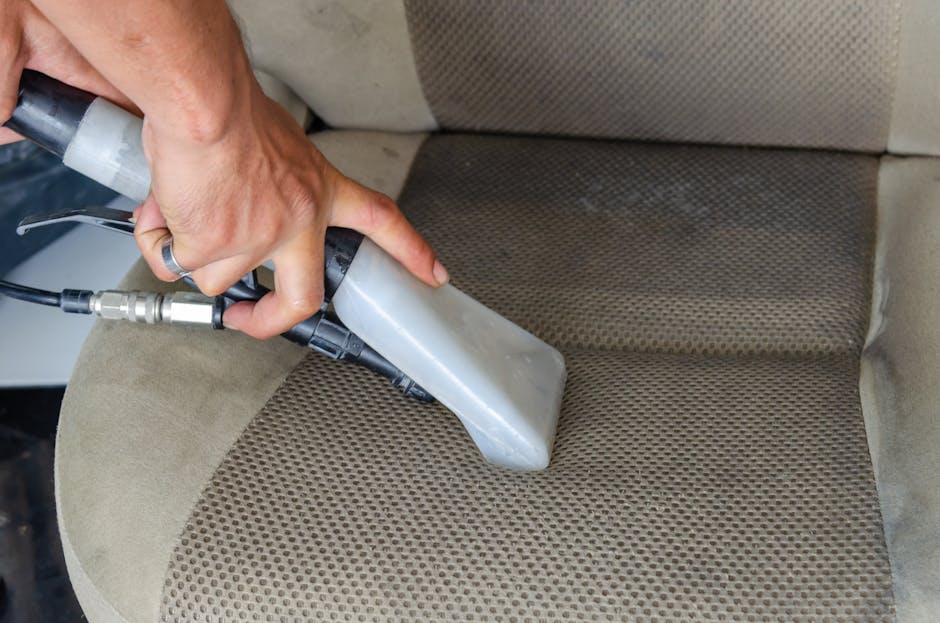
- Hot water extraction, where solution and water are applied and then extracted with a specialist machine
- Low-moisture cleaning, used for fabrics that need a gentler touch or faster drying
- Targeted stain treatment, where specific marks are pre-treated before the main clean
- Deodorising treatment, useful for pets, food smells, or general stuffiness
Sometimes a service is paired with stain removal when the issue is more than general soiling. That is where judgement matters. A red wine mark on a modern woven sofa is a different job from an old grease shadow on a family heirloom chair. The more specific the problem, the more tailored the treatment should be.
Drying is the final stage, and it matters more than people think. A good clean should leave furniture damp, not soaked. Rooms with decent airflow, a mild heating level, and open doors or windows usually dry more comfortably. On a grey London afternoon, you may notice the room smells fresher well before the fabric is fully dry. That is normal.
Key benefits and practical advantages
There are a few benefits that come up again and again when people book upholstery cleaning near Totteridge Green. Some are obvious. Others only become clear once the furniture is back in daily use.
- Better appearance: colours often look brighter and the fabric can feel less flat
- Improved freshness: food, pet, smoke, and general household odours can be reduced
- Longer furniture life: removing abrasive dirt can help slow wear on fibres
- More comfortable living spaces: cleaned upholstery makes a room feel tidier and calmer
- Useful for allergy-aware homes: dust and debris trapped in fabric can be reduced, though results vary by material and household conditions
There is also a small but real psychological benefit. A clean sofa changes how the whole room feels. It is the difference between "we should really sort that out" and "ah, that is better." You notice it when you sit down with a cup of tea and nothing smells stale. Little thing, big impact.
For landlords, letting agents, office managers, or hospitality venues, cleaner soft furnishings can also support a more presentable space for guests and staff. If your needs extend beyond residential seating, take a look at commercial carpet cleaning as well. Upholstery and floors tend to age together, and one fresh surface can make the other look overlooked.
Who this is for and when it makes sense
Upholstery cleaning is not only for visibly stained furniture. In fact, some of the best times to book it are before the furniture looks bad. Preventive care usually costs less than rescue work, and it is far easier on the fabric.
This service makes sense if you:
- have a sofa, chair, or footstool that gets daily use
- share your home with children, pets, or both
- have noticed odours that room sprays do not really fix
- are preparing a property for sale, rental, or guests
- want to refresh inherited or long-owned furniture
- have had a spill and want to minimise the damage properly
- run a business with upholstered seating that needs to look presentable
Truth be told, the people who wait the longest are often the ones who benefit most from an intervention. But if the fabric has already faded, frayed, or broken down, cleaning can only do so much. It is worth being realistic. A proper clean restores and improves; it does not rebuild worn-out fibres.
If you are deciding whether to clean or replace, think about structure first. If the frame is sound and the fabric is still serviceable, cleaning usually makes sense. If the fabric has split seams, deep abrasion, or permanent heat damage, a professional may advise caution. That kind of honesty is a good sign, not a bad one.
Step-by-step guidance
Here is a sensible way to approach Totteridge Lane upholstery cleaning near Totteridge Green, whether you are arranging a professional visit or simply preparing your home properly.
- Identify the item and fabric type. Check labels if they are present. If there is no label, note the age, texture, and any previous cleaning history.
- Inspect for stains, marks, and wear. Look closely at arms, seat cushions, and seams. Those are the areas that usually show the most.
- Test the cleaning approach. A careful technician should test an inconspicuous spot before treating the whole piece.
- Vacuum thoroughly. This removes loose dirt that can otherwise smear into the fabric.
- Pre-treat spots and high-traffic areas. This step helps loosen grime before the main clean.
- Apply the chosen cleaning method. The method should suit the fabric, not just the stain.
- Extract moisture and residues. This is important for both appearance and drying time.
- Allow proper ventilation. Keep the room airy and avoid using the furniture too soon.
- Review results once dry. Some marks only reveal themselves after drying, especially water-based stains.
A quick reality check: not every stain disappears completely. Some are permanent or have already set into the fibres. Professional cleaning is often about significant improvement rather than perfect restoration. That sounds less glamorous, but it is the honest version, and honesty saves disappointment.
Expert tips for better results
A few small decisions can make a big difference to the final outcome. Most of these are simple, but simple does not mean obvious when you are dealing with a sofa that cost real money.
- Act quickly on spills. Blot, don't rub. Rubbing pushes liquid deeper and can rough up the fibres.
- Keep labels or product notes. If you know the fabric content, cleaning becomes safer and more efficient.
- Ask about drying time up front. It helps you plan the room use properly, especially in busier homes.
- Be cautious with DIY stain removers. A random spray can set a stain or distort the colour.
- Think about the whole room. If the sofa is cleaned but the curtains and rug are dusty, the room may still feel slightly off.
- Schedule before major occasions. A couple of days' buffer is sensible. Nobody wants to host a dinner party with damp cushions.
One practical habit I always recommend: keep a small note of any spills and what caused them. Red wine, coffee, curry sauce, pet accidents, makeup, muddy water - they all behave differently. A cleaner can work much faster when they know what they are dealing with. Saves time. Saves guesswork.
If pets are part of the picture, targeted pet stain and odour removal may be worth discussing, because what looks like a simple mark can often carry a deeper smell in the underlay or cushion filling. That is the sneaky bit people miss.
Common mistakes to avoid
Upholstery cleaning goes wrong in predictable ways. The good news is that most of them are avoidable.
- Using too much water. Over-wetting can leave rings, slow drying, or encourage lingering odours.
- Scrubbing aggressively. That can spread stains and flatten the pile.
- Ignoring colourfastness. Some dyes bleed or fade with the wrong treatment.
- Cleaning without vacuuming first. Dry soil turns into muddy residue very quickly.
- Applying general-purpose products to delicate fabrics. Harsh chemicals can do more damage than the original spill.
- Expecting every stain to vanish. Some marks are old, heat-set, or chemically altered.
- Putting furniture back into heavy use too soon. It may look dry on the surface but still hold moisture deeper in the padding.
The sneaky one is overconfidence. A sofa can look simple enough from across the room, but once you get into seams, piping, and layered cushions, things become less straightforward. That is why a cautious first approach is usually the best one. Boring? Maybe. Effective? Absolutely.
Tools, resources and recommendations
For most households, the most useful "resources" are not fancy gadgets but good habits and the right local service pages when you want more detail. If you are comparing related cleaning needs, these pages are handy starting points:
- Upholstery cleaning overview
- Sofa cleaning
- Stain removal
- Steam carpet cleaning
From a practical point of view, a decent upholstery job usually relies on a few core tools and materials:
- vacuum cleaner with crevice tools
- fabric-safe pre-treatment solutions
- microfibre cloths for controlled blotting
- proper extraction equipment where needed
- airflow and drying support, especially in cooler months
If you are booking a service, it helps to compare the proposal on more than just price. Ask what method will be used, how moisture is managed, whether the fabric will be tested first, and what aftercare you should expect. It is fair to ask those questions. In fact, you should.
For those who want a clearer idea of quotes and practical booking details, the site's pricing and quotes information can be a sensible place to start. And if you have questions about service terms, the terms and conditions page is worth a look too. A bit of reading upfront can save a lot of back-and-forth later.
Law, compliance, standards and best practice
For upholstery cleaning, most readers are not dealing with heavy legal regulation in the way they might with construction or healthcare. Still, there are sensible standards and duties of care that matter in real life. Providers should use safe working practices, suitable chemicals, and proper handling methods. In a domestic setting, you want products and processes that are appropriate for the material and the room.
If you are a business or landlord, you may also care about insurance, safety procedures, and complaint handling. That is not just paperwork. It is reassurance. A provider's insurance and safety information should help you understand how they approach risk. Likewise, their health and safety policy and complaints procedure can tell you a lot about how seriously they take accountability.
Good practice in upholstery cleaning also includes respecting the customer's property, protecting surrounding surfaces, and explaining limitations clearly. If a fabric is fragile, if a stain may not fully lift, or if drying might take longer than hoped, that should be said plainly. Clear expectations are part of professional service. No mystery, no nonsense.
There is also a broader responsibility around sustainability and waste. Cleaning should aim to extend the life of furniture where possible rather than pushing unnecessary replacement. That is one reason the company's recycling and sustainability approach can be relevant to environmentally minded customers. A longer life for a sofa is, in practical terms, a good outcome.
Options, methods and comparison
There is no single "best" upholstery cleaning method for every item. The right choice depends on the fabric, the condition, and the result you want. Here is a simple comparison to make the decision easier.
| Method | Best for | Strengths | Watch-outs |
|---|---|---|---|
| Hot water extraction | Many synthetic and robust fabrics | Deep cleaning, strong soil removal, good for general refresh | Can over-wet delicate materials if used carelessly |
| Low-moisture cleaning | Sensitive fabrics, quicker turnaround needs | Faster drying, gentler on some materials | May be less effective on heavy soiling |
| Targeted stain treatment | Specific marks or spill incidents | Focused approach, can improve problem areas without over-treating the whole item | Not always enough on its own for overall freshness |
| Odour treatment | Pet smells, stale rooms, smoke-related odours | Helps improve comfort and freshness | May need to be paired with a full clean for best results |
If you are deciding between a quick DIY wipe-down and a professional clean, ask yourself one question: is the issue on the surface, or is it inside the fabric and padding? If it is only surface dust, a gentle approach may be enough. If there is staining, odour, or deep soil, professional treatment usually makes more sense. That sounds obvious, but honestly, it is where many jobs are misjudged.
Case study or real-world example
Here is a realistic example from the sort of job many homes around Totteridge Green face. A family had a three-seat sofa in a living room used every evening. The arms were darkened from repeated contact, the seat cushions looked flat, and there was a faint, stubborn smell that lingered after the windows had been closed for a few days. Nothing dramatic, just everyday life showing itself.
The first step was a careful fabric check and a test patch. The cleaner then vacuumed the seams, treated the armrests and high-traffic seat sections, and applied a targeted approach to a few small food marks. The result was not a brand-new sofa, because that would be unrealistic, but the overall appearance improved sharply. The arms looked lighter, the fabric had more even colour, and the room smelled cleaner. The owners said the biggest change was not visual at first - it was how the whole room felt when they walked in after school pickup. Fresh. Calm. Less cluttered somehow.
That kind of result is common when the furniture is still in decent structural condition. It is not about perfection. It is about making something useful feel cared for again.
Practical checklist
Use this checklist before booking or carrying out upholstery cleaning near Totteridge Green:
- Identify the item: sofa, chair, stool, headboard, or ottoman
- Check the fabric type if a label is available
- Note any stains, odours, or worn areas
- Vacuum loose dust and crumbs first
- Keep pets and children away from the furniture during and after cleaning
- Ask what method is being used and why
- Confirm estimated drying time
- Plan for good airflow in the room
- Avoid using DIY stain removers at the last minute
- Review the item once it is fully dry
If you want to understand the service in broader context, the main about us information and the company's contact us page can help you decide whether the approach feels right for your home or business. Not everything needs a long process. Sometimes you just want a straightforward, human answer.
Conclusion
Totteridge Lane upholstery cleaning near Totteridge Green is one of those services that quietly improves day-to-day life. It freshens the furniture you see and use all the time, helps preserve items that still have plenty of life left, and makes rooms feel more pleasant without turning your home upside down. The best results come from matching the cleaning method to the fabric, treating stains with care, and allowing proper drying time afterwards.
That is really the heart of it. A careful clean, done well, is practical, reassuring, and surprisingly rewarding. You sit down later in the evening, the room feels lighter, and you think, yes, that was worth doing.
Get a free quote today and see how much you can save.
When furniture is looked after properly, it tends to give back more than you expect. A cleaner home, a calmer room, and one less thing quietly bothering you. Not bad for an afternoon's work.
Frequently Asked Questions
How often should upholstery be professionally cleaned?
It depends on use. A busy family sofa may benefit from cleaning more often than a spare chair in a guest room. As a general rule, if the fabric looks dull, feels sticky, or holds odours, it is probably time.
Can all upholstery fabrics be cleaned the same way?
No. Different fabrics need different approaches. A robust synthetic sofa may handle a wetter process, while delicate natural fibres may need a gentler or lower-moisture method. Testing first is sensible.
Will upholstery cleaning remove every stain?
Not always. Fresh stains are usually easier to improve than old, heat-set, or previously treated marks. A good cleaner should explain what is likely to happen before starting.
How long does upholstery take to dry?
Drying time varies based on the fabric, room airflow, cleaning method, and how much soil was present. In normal conditions, furniture should not feel soaked after a proper clean, but it may still need time before full use.
Is upholstery cleaning safe for homes with pets and children?
It can be, provided appropriate products and methods are used and the fabric is handled correctly. It is sensible to keep children and pets away during treatment and until the furniture is dry.
What is the difference between sofa cleaning and upholstery cleaning?
Sofa cleaning is one type of upholstery cleaning. Upholstery cleaning covers a wider range of fabric items, including armchairs, dining chairs, footstools, benches, and more.
Can upholstery cleaning help with pet smells?
Yes, it often can, especially when odours are trapped in the fabric or light padding. For stronger pet-related issues, targeted pet stain odour removal may be the better fit.
Should I vacuum before the cleaner arrives?
If you can, yes. Removing loose dust, crumbs, and pet hair first helps the cleaning process work more effectively. It is a small step, but it helps.
How do I prepare a room for upholstery cleaning?
Clear small items from around the furniture, move fragile objects if needed, and make sure the cleaner has easy access. Good airflow afterward is helpful too.
Is it worth cleaning old furniture, or should I replace it?
If the frame is sound and the fabric is still in usable condition, cleaning often makes sense. If the material is badly torn, heavily faded, or structurally worn out, replacement may be the better long-term choice.
Does upholstery cleaning use a lot of water?
Not necessarily. The amount depends on the method used. Good practice is to use only as much moisture as the fabric can safely handle and then remove it properly.
What should I ask before booking a service?
Ask about the fabric check, the cleaning method, drying times, stain expectations, and any aftercare advice. You can also review related service details such as pricing and quotes and the provider's payment and security information if that helps you feel comfortable.